

What to Do in the Market When Everything Burns
The market isn’t crashing — it’s cleansing.

The market opened in chaos. NFLX 0.00%↑ GEV 0.00%↑ HOOD 0.00%↑ NBIS 0.00%↑ RKLB 0.00%↑ OKLO 0.00%↑
Small caps are bleeding, speculative names are imploding, and every chart looks like a collapsing house of cards. The same people who were tweeting about diamond hands yesterday are silent today. And those holding GOOG 0.00%↑ or MSFT 0.00%↑ barely noticed anything happened.
The market just reminded everyone: this isn’t a casino or a video game — it’s a system where survival belongs not to the smartest, but to the most durable.
You can sit it out if you own shares. You can even buy more if you have cash.
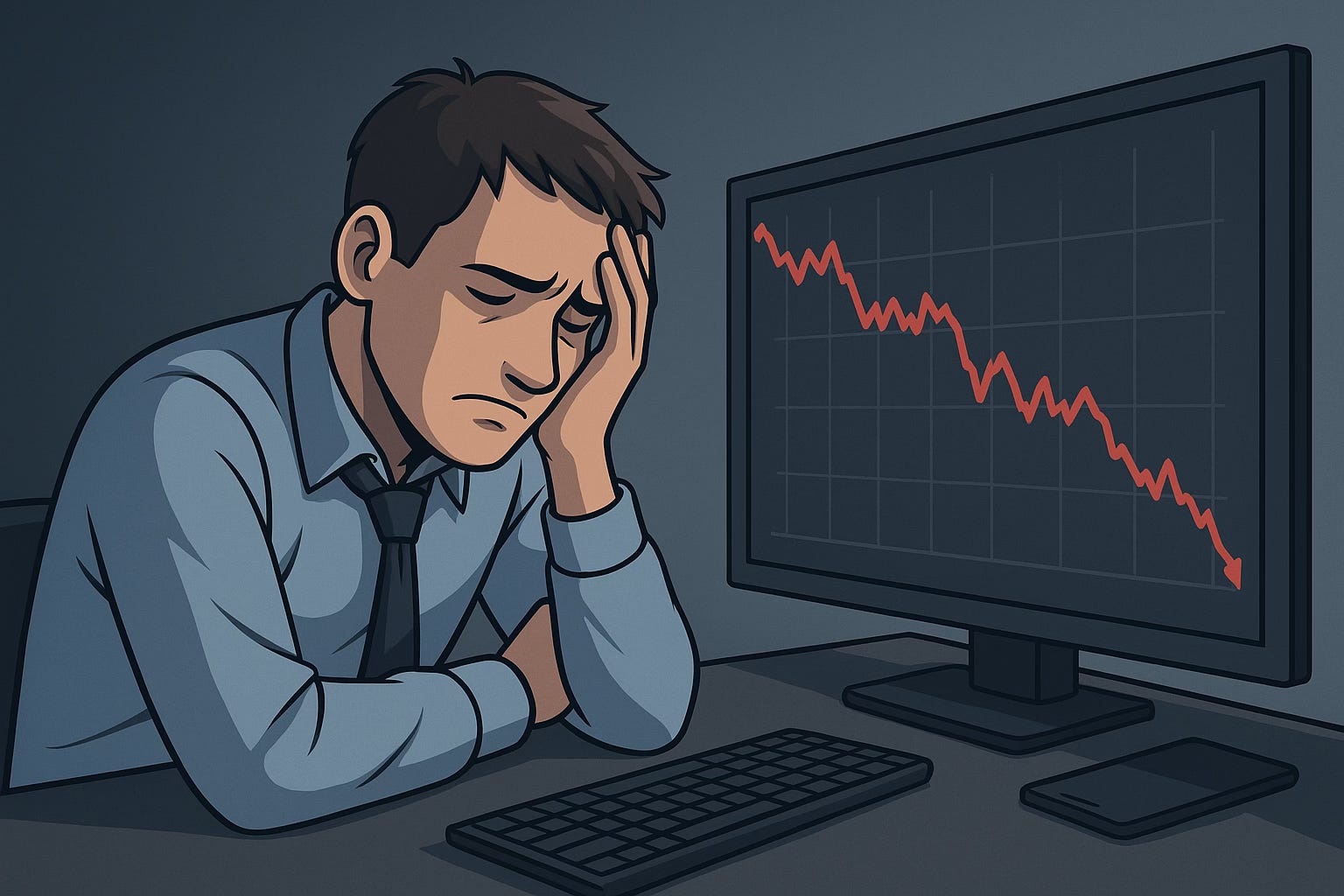
But if you’re leveraged — that’s no longer investing, that’s a delayed margin call.
The relentless rally of the past few months made many forget what drawdowns feel like. Everyone thought the market would just keep climbing. That you could take 3x leverage and catch a quick double. That all those “gurus” with triple-digit returns had somehow hacked gravity.
But the market doesn’t rise forever. It always comes back to test those who got too comfortable.
And today is that test.

You can blame earnings, rates, or geopolitics — but the real reason for the selloff is simple: everyone got scared at the same time. Someone couldn’t handle the losses, someone got a margin call, someone else sold out of panic. This isn’t about fundamentals; it’s about psychology.
Many positions burned not because of margin calls, but because of fear.
When a stock crashes 20% in two days, it’s not about numbers anymore — it’s about psychology.
Even people without leverage start selling what they shouldn’t, just because the screen is red and everyone else is running.
The market doesn’t need leverage to destroy portfolios — it only needs fear.
I’ve seen this movie before — several times.
And it always ends the same way: those who can wait, win.
You don’t have to fear selloffs. You just have to survive them.
And to survive, you need a plan.
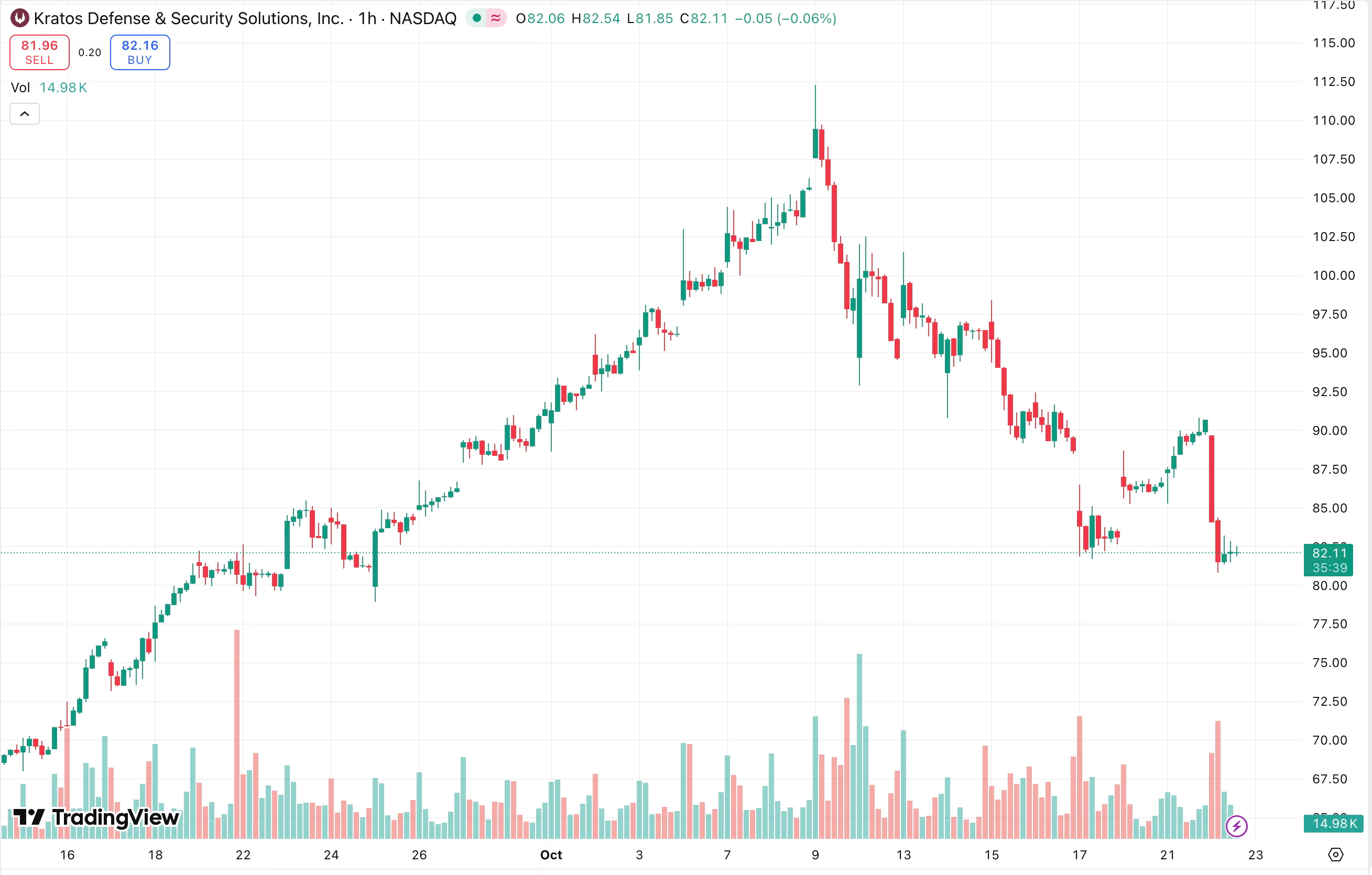
If this day caught you off guard, let it at least serve as a reminder.
Here are a few simple principles that always work:
Don’t use leverage. It looks like a shortcut to profits, but it’s really just a shortcut to disaster.
Keep at least 10% in cash. So you’re not the person who “can’t buy when it finally gets cheap.”
Buy LEAPs. Long-dated options give you time to live through bad earnings, volatility, and days like this one. They let you stay in the position without panic or margin calls.
Don’t sell naked puts. The only time that makes sense is if you actually want to own those shares and have the cash to cover them. Otherwise, the market will force you to buy them back at absurd prices in the middle of a panic.
Don’t try to time the market. It’s almost impossible. But learn to notice imbalance.
When a company with $25 million in revenue suddenly has a $4 billion valuation like ONDS 0.00%↑ that’s not brilliance, that’s collective delusion.
When a stock outruns its entire sector like RR 0.00%↑ — that’s not momentum, that’s overconfidence.
There’s no perpetual motion machine. And there’s nothing wrong with taking profit when a stock’s growth clearly outruns its fundamentals.

You can’t perfectly pick tops or bottoms, but you can use simple signals — P/E, P/S, revenue trends — to see when a company starts drifting too far from the pack. That’s not a reason to panic, but it is a reason to stay alert.
The market is a cycle.
Today it’s fear, tomorrow a bounce, then euphoria again. Every phase has one purpose — to test who can still think.
The only real way not to suffer emotionally from days like this is to buy blue chips or hold $SPY.
But if that’s your plan, you don’t need to read this newsletter. Because our goal isn’t to hide from volatility — it’s to find growth where others see chaos.

And this Friday, we’ll talk about exactly that kind of stock — one that doesn’t just survive the storm but can build momentum from it.
And one more thing — don’t compete with “gurus” from social media.
The ones posting their trades after hours, when they can’t be verified.
The ones with green days, perfect timing, and three-digit returns.
You know why? Because those people don’t exist in real life.
If you want to compete with someone, compete with yourself — with who you were a month, a quarter, or a year ago.
And never give in to panic. There’s no fundamental reason for it.
This publication is for educational and informational purposes only and does not constitute financial, investment, or trading advice. Readers are solely responsible for their own investment decisions. The author may hold positions in the securities mentioned.