


NVIDIA reaffirmed its dominance in AI computing with the unveiling of Rubin, its next-generation superchip. CEO Jensen Huang highlighted the company’s continued leadership, citing strong demand from major cloud providers. According to Huang, the top four public cloud vendors—Amazon, Microsoft, Google, and Oracle—purchased 1.3 million of NVIDIA’s Hopper AI chips in 2024. In 2025, that number has surged to 3.6 million Blackwell AI chips.
Despite this growth, competition is intensifying, particularly in AI inference. Cloud giants are increasingly investing in in-house chip development to reduce reliance on NVIDIA. AWS has initiated a price war, aggressively promoting its Trainium AI chips at a significantly lower cost to attract customers. Meanwhile, Google is cutting ties with Broadcom, opting instead to partner with Mediatek for custom AI chips. As more companies enter the space, pricing pressure is becoming a key factor in the AI hardware market.
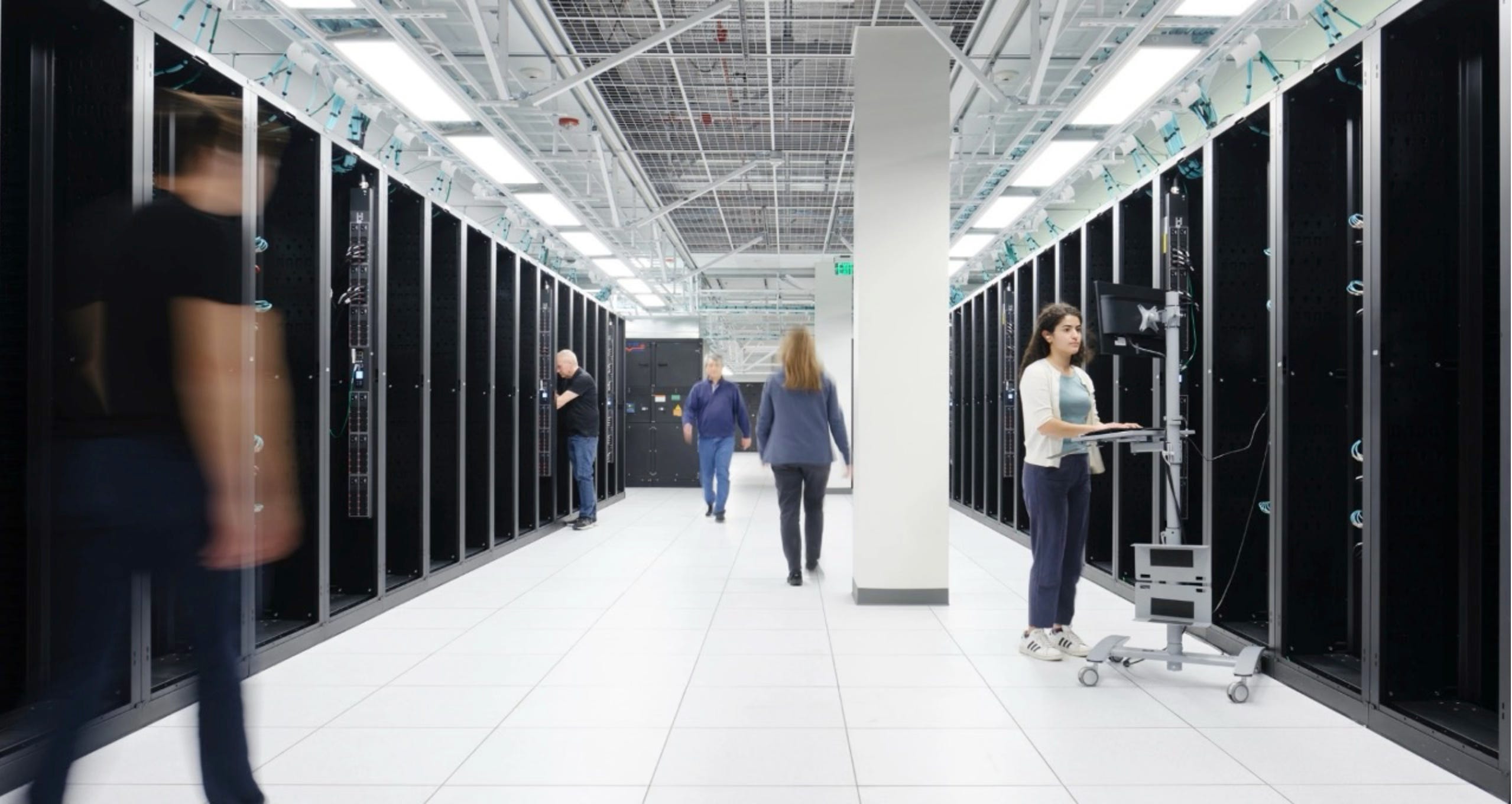
NVIDIA, however, is not standing still. The company announced an Ultra version of the Rubin superchip, which is expected to deliver 14 times the performance of the Blackwell series. Analysts forecast that this new lineup could generate nearly $40 billion in revenue in its first year and exceed $95 billion by its second year. As the demand for AI computing is projected to increase 100-fold, the market opportunity remains vast, but the competitive landscape is shifting rapidly.
Looks like Nvidia isn't afraid of competitors because it counts on rapidly growing AI market. But investors are getting tired of promises because the stock can't break out off the levels seen in last summer. Honestly, these shows are the part of the past.
NVIDIA and GM: A Challenge to Waymo in Self-Driving?
NVIDIA is also expanding its footprint in autonomous driving through a new partnership with General Motors. This collaboration could prove significant, as it means Tesla will face increasing competition in the AI-driven self-driving space. While NVIDIA has previously partnered with various automakers and has stakes in high-profile autonomous driving ventures like China’s WRD, working with GM, the largest U.S. automaker, could be a game changer.
It's also a threat for Tesla whose Full Self-Driving (FSD) technology remains far from perfect, and despite Elon Musk's long-standing promises, the company has failed to deliver fully autonomous vehicles at scale.
By powering GM’s autonomous vehicle efforts, NVIDIA is strengthening its influence in the automotive sector, which is increasingly dependent on AI chips for self-driving, safety, and infotainment systems.
Expanding Beyond AI: Robotics, Quantum, and Networking
Beyond AI and self-driving, NVIDIA is entering humanoid robotics in collaboration with Walt Disney Co. and Google's DeepMind. The project, named Isaac GR00T N1, aims to develop advanced humanoid robots. Jensen Huang has stated that he believes this will be the largest industry in the future, further diversifying NVIDIA’s long-term strategy.
In addition to robotics, quantum computing is another field NVIDIA is exploring, aligning with its broader ambition to lead in cutting-edge computing technologies. While AI remains the primary driver of revenue, NVIDIA is strategically expanding its reach into adjacent markets to ensure continued dominance in high-performance computing.
A particularly significant development is NVIDIA’s work with TSMC on co-packaged optics networking, a technology designed to enhance data center efficiency. This innovation could be a major breakthrough in hyperscaler infrastructure, reinforcing NVIDIA’s position as the backbone of AI-driven data centers.
Markets, Politics, and the Reality Check
Jensen Huang couldn't keep stocks from falling because investors are reevaluating the investment climate in the U.S., and the outlook isn’t promising. The country is teetering on the edge of a constitutional crisis, with political uncertainty clouding the economic environment. Sooner or later, that crisis will erupt, and stocks will be held hostage by a hostile political climate. Oh, wait—we’re already there.
But Huang didn’t talk about politics. It’s easy when you live on another planet, and all you think about is computing power.
This publication is for educational and informational purposes only and does not constitute financial, investment, or trading advice. Readers are solely responsible for their own investment decisions. The author may hold positions in the securities mentioned.