

Bitminer Goes Hollywood while Bernstein Sees 20% Upside For Defence Play
Disruptors News: from Ai glasses to drones - what's driving the Next Tech Wave

🕶 Alibaba’s AI Glasses: A New Front in the Consumer Tech War
Alibaba ($BABA) is stepping deeper into AI-powered hardware, unveiling a new pair of smart glasses powered by its proprietary large language model, Qwen. Branded as Quark AI Glasses, the product is expected to launch in China by the end of 2025, and it’s not just another wearable — it’s Alibaba’s opening salvo in the race against Meta, Apple, and local rivals like Xiaomi.
The device will feature hands-free calling, music streaming, real-time language translation, and meeting transcription — powered not by OpenAI or Google, but by Alibaba’s in-house AI stack.
🧠 Vertical AI Is the New Strategy
What makes this more than a gadget is that Alibaba is embedding its own foundation model into consumer tech — a move that mirrors Meta’s strategy of using Llama across its Ray-Ban smart glasses and upcoming devices. In China, where regulation, censorship, and chip restrictions complicate foreign AI dominance, Alibaba’s ability to build and deploy its own model matters.
This is not about competing with Meta’s glasses today — it’s about laying the groundwork to control the interface layeras AI shifts from screens to voice-first and ambient computing. Think Jarvis, not ChatGPT in a browser.
🌏 The Geopolitical Undercurrent
In the background, the U.S. is quietly easing restrictions on Nvidia’s H20 chip exports to China — a diplomatic olive branch meant to accelerate trade negotiations. This creates a window where Alibaba and others can access better silicon, boosting local model performance before any further crackdown.
It also means that the race for consumer AI devices — glasses, rings, assistants — may soon heat up in both hemispheres, with Chinese and American firms launching parallel ecosystems, each backed by their own chips and LLMs.
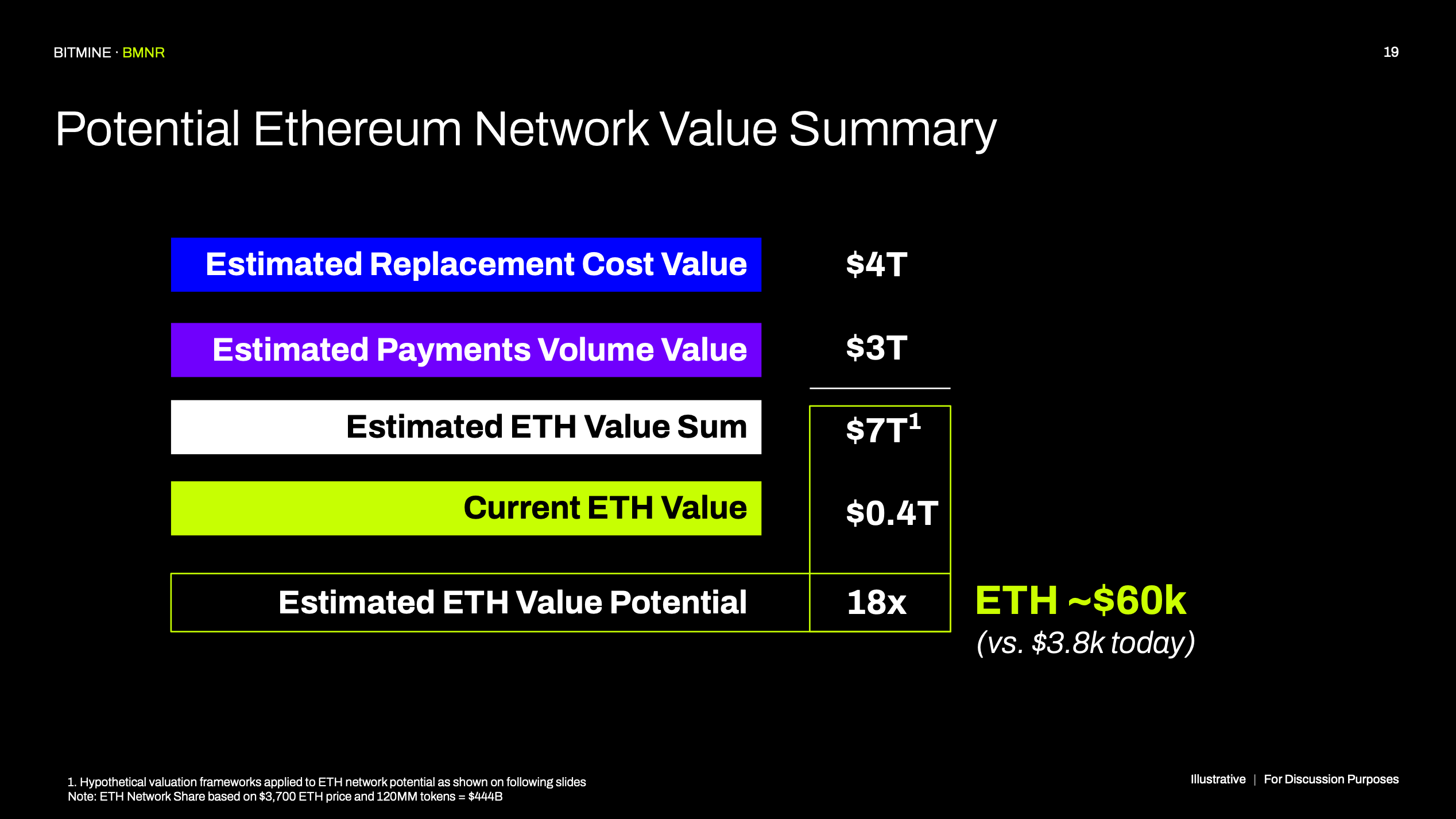
📈 BitMine (BMNR) Launches Monthly Video Series and Investor Deck Focused on Ethereum Strategy
BitMine Immersion (NYSE: BMNR) has launched a new investor initiative led by its Chairman, Tom Lee. The company unveiled a monthly video series titled The Chairman’s Message and a new investor presentation dubbed The Alchemy of 5%. The content focuses on BitMine’s long-term Ethereum strategy and its ETH treasury optimization approach.
Tom Lee—also co-founder of Fundstrat—said the move responds to investor demand for greater transparency into the company’s thesis on Ethereum and crypto-backed treasury strategies.
The presentation and video are both available at: bitminetech.io/investor-relations
BMNR shares rose 1.01% premarket Monday.
🔋 Lithium-Ion Anode Market Set to Quadruple — EV Battery Suppliers in Focus
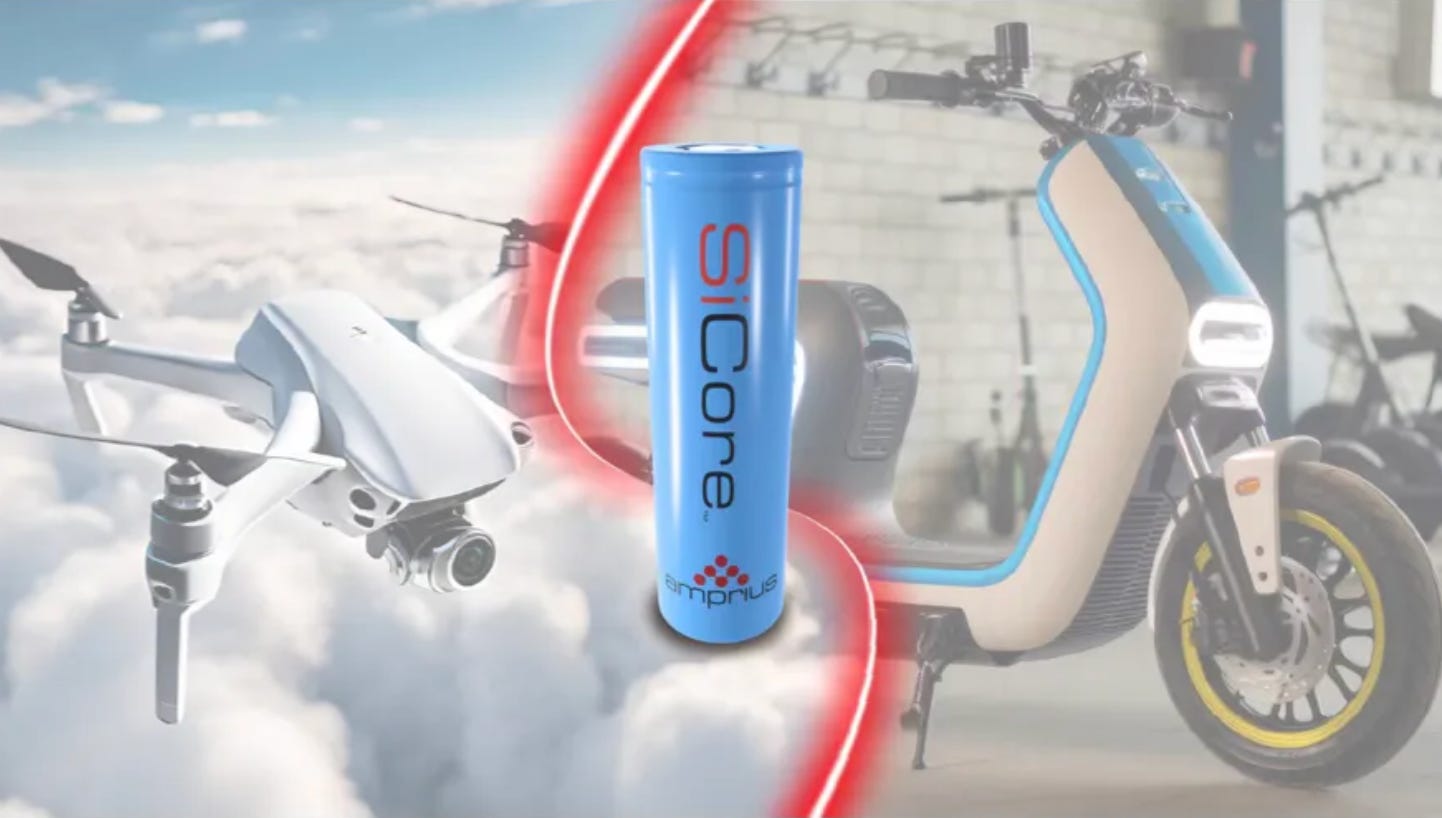
According to a new report by Markets and Markets, the global lithium-ion battery anode market is projected to surge from $19.06B in 2025 to $81.24B by 2030, a CAGR of 33.6% — driven by two key trends:
EV expansion and
Industrial electrification for clean energy efficiency.
The automotive sector is expected to remain the dominant force, fueled by rising demand for EVs, e-bikes, and AGVs (automated guided vehicles).
📈 Key U.S.-listed beneficiaries:
$AMPX (Amprius Technologies) – one of the few with shipping high-silicon anode cells, MY DEEP DIVE IS here
$QS (QuantumScape) – solid-state battery tech aimed at EVs
$ENVX (Enovix) – high energy density batteries with 3D architecture
$SLDP (Solid Power) – solid-state chemistry player with major OEM partners
$ALB (Albemarle) – critical lithium supply chain backbone
Expect increasing M&A activity and public-private partnerships as the battery materials race heats up. For investors, this is one of the most concentrated asymmetric opportunities in the energy transition.
🏁 WeRide Secures First-Ever Robotaxi Permit in Saudi Arabia — Eyes Global Domination
$WRD just became the only autonomous driving company with official permits across six countries — including Saudi Arabia, China, the UAE, Singapore, France, and the U.S. That’s not a regional push — that’s a global offensive.
Today, Saudi Arabia granted WeRide the kingdom’s first Robotaxi permit, following a rigorous regulatory sandbox managed by the Transport General Authority. The company will begin pilot operations in Riyadh in partnership with Uber and local startup Ai Driver, covering the airport and select highway/city-center corridors. A full commercial launch is expected by end-2025.
What makes this a big deal:
Geopolitical reach: No U.S. player — not Cruise, not Waymo — has this kind of geographic spread.
Middle East momentum: Saudi Arabia is fast-tracking tech pilots as part of Vision 2030. This could open the gates for broader AV deployments in the Gulf.
Uber partnership: A scaled consumer rollout via a global app gives this legs beyond local tests.
🚨 Reminder: The TAM for autonomous transport in MENA is grossly underpriced by public markets. Especially as governments prioritize smart mobility over personal ownership.
Keep reading with a 7-day free trial
Subscribe to Edge of Power to keep reading this post and get 7 days of free access to the full post archives.